If you have been offered an Astro website, the important question is not whether the framework is fashionable. It is whether the proposed website will be easy to use, straightforward to maintain and suitable for your publishing process.
Astro is a web framework. Developers use it to build pages and connect the content, design and functionality a website needs. It is not, by itself, a visual editing dashboard or a complete online store.
What static-first means in practice
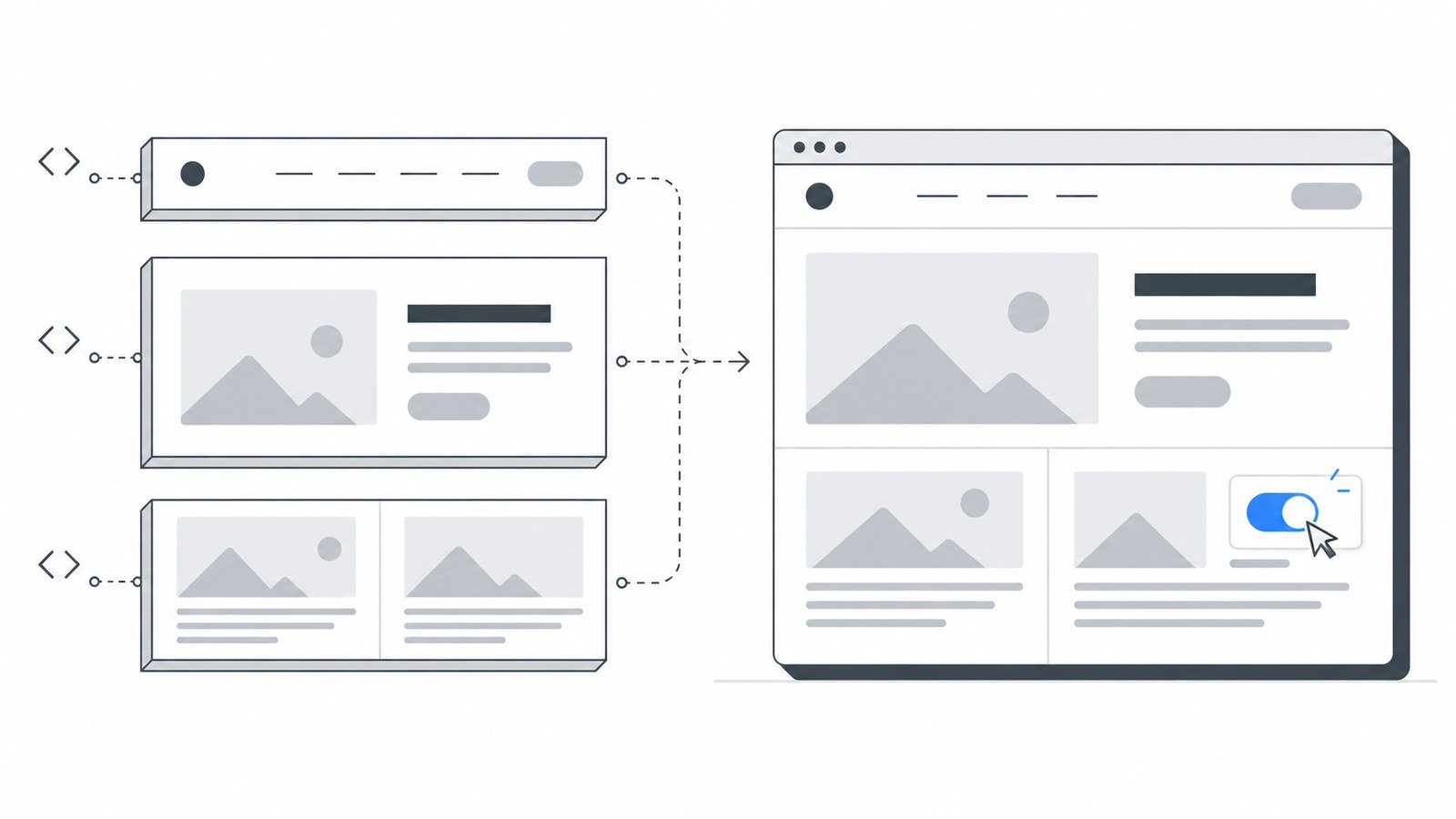
For content that does not need to change with every request, a developer can generate the pages during a build. Visitors receive HTML that already contains the page content. Dynamic features can be added where the project needs them.
Imagine a consulting website with service pages, a contact page and articles. Most of that information can be prepared in advance. The enquiry still goes through a server-side delivery workflow, while the explanation of the service does not need to be generated separately for each visitor.
This approach gives the project a useful starting point for controlling complexity. It does not make every asset small or every design accessible automatically.
JavaScript becomes a specific decision
An interactive calculator may need browser code. A paragraph about your business does not. Astro makes it possible to keep those responsibilities separate.
The official islands explanation describes interactive components within otherwise static HTML. In a business project, this encourages a useful question: what does this interaction help the visitor do?
Simple navigation, readable content and ordinary links should continue to work without an application-sized script. More elaborate effects need fallbacks and performance checks.
Plan how content will be edited
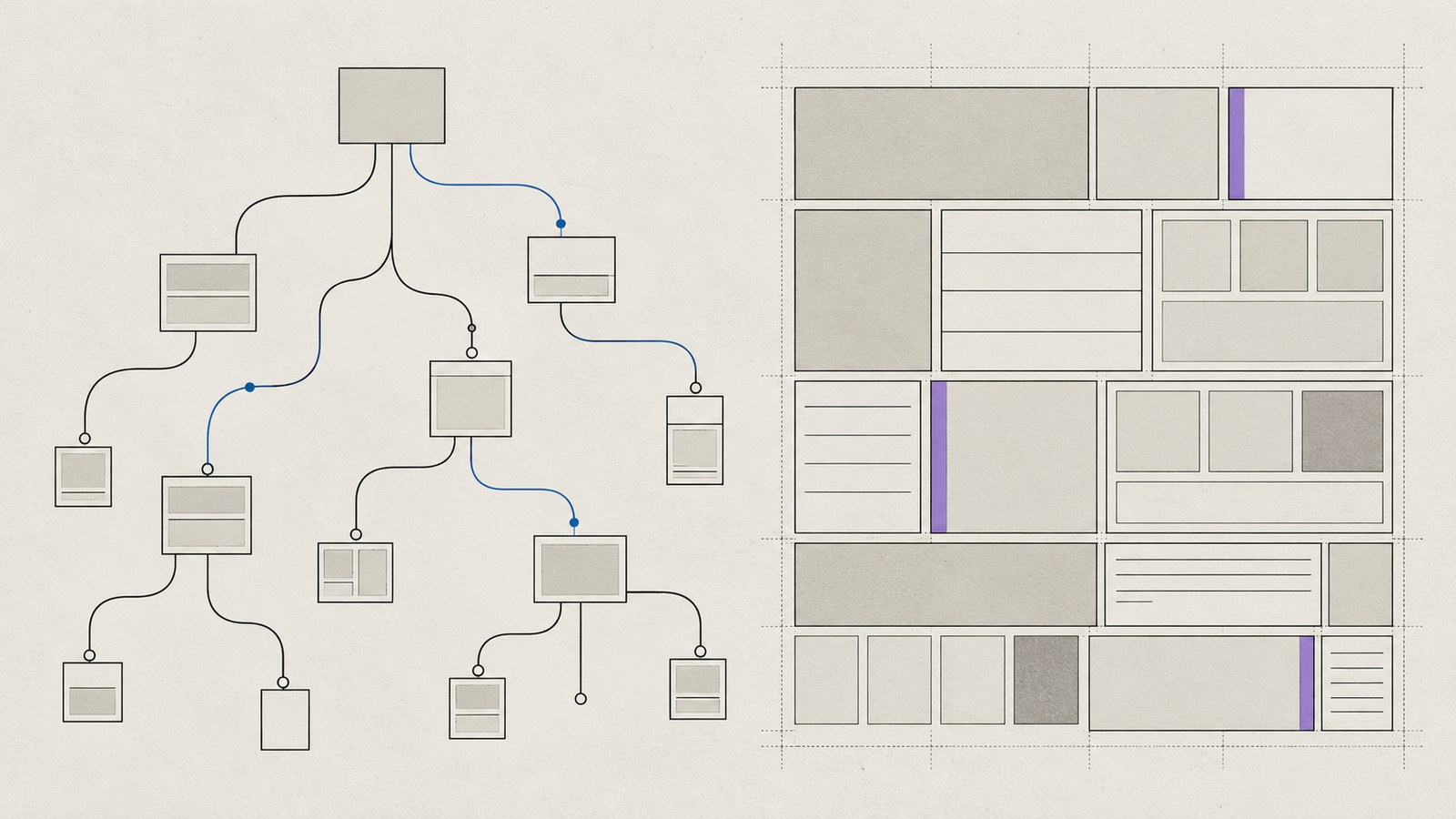
There are several reasonable content workflows. Articles can live in Markdown files in the repository. A developer can connect a suitable CMS when a business needs an editing interface. The right choice depends on the editors and publishing frequency.
Astro’s content collections support structured content with a defined schema. For example, every article can require a title, description, publication date and author so an incomplete entry is caught before publishing.
Ask to see the actual editing process before choosing it. Can your team change a phone number? Add an article? Review a draft? Who approves and publishes the result? “You can edit the content” should mean a demonstrated workflow.
Forms and integrations still need engineering
A static page can contain a contact form, but accepting and delivering an enquiry needs a trusted backend or service. Validation, spam handling, delivery failures and accessible status messages belong in the scope.
Likewise, a booking tool, CRM or payment connection does not become part of the project just because the frontend uses Astro. Define each integration, the account owner and its failure behavior. Keep private credentials out of browser code.
Read how website leads move into a CRM for the practical handoff behind a form.
Decide where Astro fits
Astro is worth considering for service websites, marketing pages, portfolios and content-led sites with a clear publishing workflow. It can also be part of a more complex architecture, but extra systems should have a demonstrated purpose.
If you need frequent editing in a familiar CMS, an existing plugin ecosystem or a particular store workflow, compare alternatives carefully. The Astro versus WordPress guide looks at those tradeoffs.
Ask for a complete handoff
A finished project should explain content changes, build and deployment responsibilities, form delivery, domain ownership and ongoing support. The repository and essential accounts should have clear owners.
If the requirements suit Astro, KEYDIV’s Astro website service can bring the design, development and launch checks into one scope. Start by sharing what the website needs to do, including how you want to edit it after launch.